Attorneys Claim ChatGPT Assisted Gunman in Planning 2025 FSU Shooting

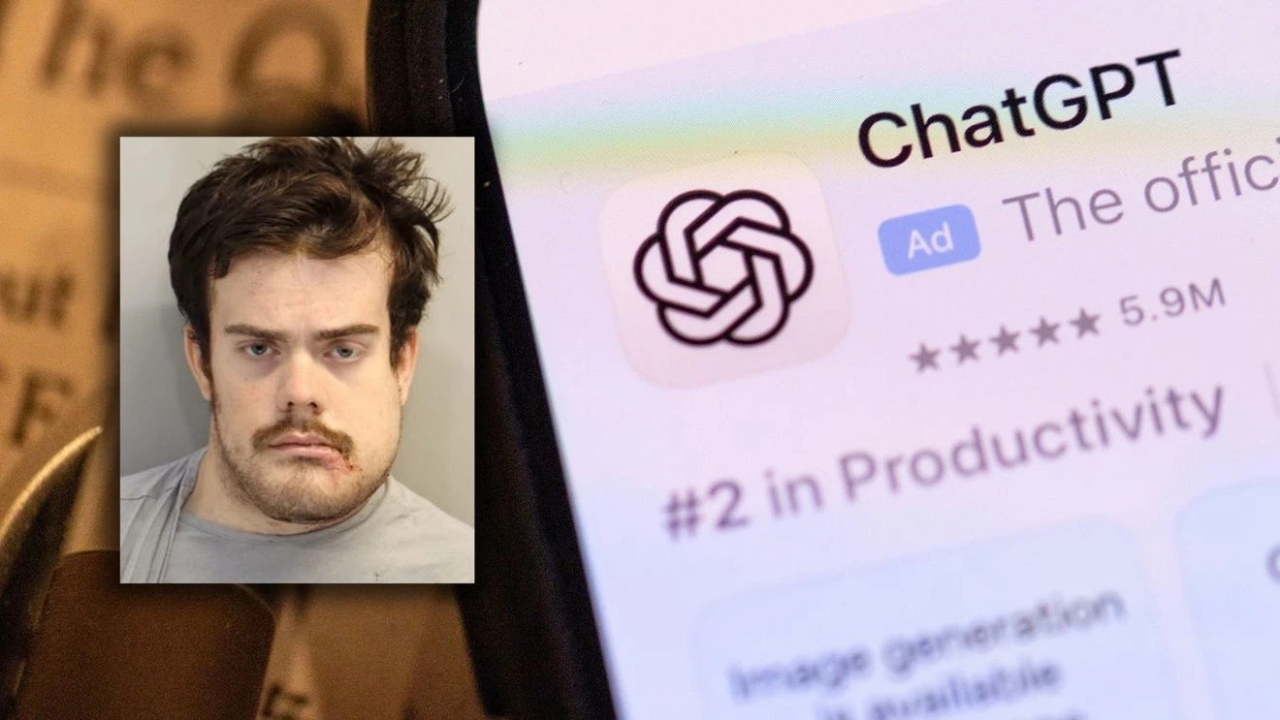
Attorneys representing the family of a victim in the 2025 Florida State University shooting announced Monday that they believe artificial intelligence played a direct role in the coordination of the attack.
Lawyers Ryan Hobbs and Dean LeBoeuf of the Brooks LeBoeuf law firm represent the estate of Robert Morales. Morales, an Aramark employee and father, was one of two people killed during the April 17, 2025, mass shooting on the Tallahassee campus.
The legal team claims that the suspected gunman, 20-year-old Phoenix Ikner, was in "constant communication" with the AI chatbot ChatGPT in the weeks leading up to the violence. Ikner is accused of killing two people and wounding six others during the incident.
According to the attorneys, they have received information suggesting the chatbot may have provided Ikner with specific advice on how to carry out the crime. They believe the AI's responses may have facilitated the planning process for the assault.
The Morales family plans to file a formal lawsuit against OpenAI, the developer of ChatGPT. This legal action would mark one of the first major attempts to hold an AI company liable for assisting in a violent criminal act.
Hobbs and LeBoeuf also indicated that the Leon County Sheriff’s Office may share some responsibility for the tragedy. The attorneys have not yet specified the exact nature of the claims against local law enforcement.
No official chat logs or transcripts of the alleged conversations between Ikner and the AI have been released to the public. The specific questions Ikner reportedly asked the chatbot remain confidential at this stage of the investigation.
Florida Chief Financial Officer Jimmy Patronis responded to the claims by calling for significantly stricter regulations on Big Tech firms. He described the reports as a serious red flag for national security and public safety.
Patronis noted that the potential for AI to assist in domestic violence is a priority for state officials under the administration of President Donald Trump. The case has sparked a renewed debate over the legal immunity of software developers.
OpenAI has not yet released a statement regarding the allegations or the impending litigation. As the legal proceedings begin, the case is expected to set a major precedent for the accountability of generative AI platforms.