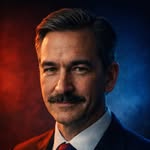
Donald Trump delivered a hardline nationalist message to a massive crowd in Washington during the nation's 250th anniversary celebrations.
As the United States celebrates its historic 250th Independence Day, the political tone of the national festivities took a sharp, familiar turn. Donald Trump's address at the "Freedom 250" event highlights how deeply cultural identity and campaign rhetoric remain intertwined with national milestones, setting a defiant tone for the country's future.
What Happened
Donald Trump took the stage in Washington, D.C., before a massive, roaring crowd gathered for the "Freedom 250" event. The address served as the centerpiece of the national July 4th festivities, marking the United States' 250th anniversary. During his speech, Trump doubled down on his signature nationalist themes, drawing strong reactions from the audience.
In a moment that quickly captured widespread attention, Trump declared to the crowd, "In America we speak English." The statement was met with loud cheers and applause from the thousands of supporters in attendance. The declaration reinforced his long-standing focus on national identity and cultural assimilation.
In addition to his comments on language, Trump reused his famous "Fight, fight, fight!" tagline. This slogan, which became a rallying cry for his base, is closely associated with the immediate aftermath of the assassination attempt against him in 2024. Its inclusion in the Independence Day address signaled a continuation of his combative and resilient political messaging.
The event itself was designed to celebrate the country's milestone anniversary, drawing spectators from across the nation to the capital. Trump's speech, however, quickly shifted the focus from historical reflection to contemporary political battlegrounds, blending patriotic imagery with hardline campaign rhetoric.
- Event: Freedom 250 celebration in Washington, D.C.
- Key Statement: "In America we speak English."
- Signature Slogan: "Fight, fight, fight!" (originally from the 2024 assassination attempt).
- Occasion: The 250th anniversary of the United States (July 4, 2026).
Why It Matters
The speech sets a hardline cultural tone for the nation's milestone 250th-anniversary celebrations. While Independence Day events are traditionally designed to foster broad national unity, Trump’s address leaned heavily into divisive cultural themes. By asserting that English is the definitive language of the nation, he reinforced a core tenet of his political platform that appeals directly to his base.
Furthermore, the reuse of the "Fight!" slogan connects the historic celebration directly to Trump's personal political narrative. By tying a national milestone to his own survival and political battles, the speech solidified his position as the central figure of his movement. This messaging serves to keep his supporters highly energized and focused on his ongoing political campaign.
Historically, major national milestones like the Bicentennial in 1976 have been used to project a message of shared heritage and common purpose. Trump's approach to the Semiquincentennial highlights the deep polarization of modern American politics, where even a historic anniversary becomes a platform for sharp cultural dividing lines.
What Happens Next
The fallout from the speech is expected to dominate political discussions in the coming days. Supporters will likely defend the remarks as a patriotic call for national unity through a shared language and identity. Conversely, critics are expected to condemn the rhetoric as exclusionary and inappropriate for a national celebration meant to represent all Americans.
As the 250th-anniversary events continue across the country, other political figures will have to navigate the tone set by Trump's high-profile address. The speech will undoubtedly influence the rhetorical strategies of both allies and opponents as the political season intensifies.
What We Still Don't Know
- How will other political leaders and organizers of the official 250th-anniversary events respond to the highly political nature of this address?
- What specific policy proposals, if any, will follow this cultural rhetoric regarding language and immigration?
- How will this speech impact voter sentiment and polling in key swing states as the campaign season progresses?
Source Note
This story draws on reporting from Mediaite.
Transparency notes
Published: Jul 4, 2026. No major post-publication update has been logged.
Spot an error or missing context? Email hi@kindjoe.com and we will review and correct if needed.
Sources
What's your take on this story?
Vote before the outcome is known and compare your call with the crowd.
No community take has been linked to this story yet.