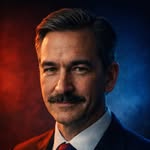
Tucker Carlson has publicly broken with the Trump administration over the ongoing military conflict in Iran. In a recent interview with The Economist, Carlson characterized the war as a departure from the "America First" foreign policy that defined the 2024 campaign.
The interview, conducted by Zanny Minton Beddoes and released on the magazine’s Insider platform, marks Carlson’s transition from a prominent supporter to a vocal critic on this specific issue. Carlson argued that the military actions in Iran were initiated according to external timelines rather than American interests.
During the nearly hour-long conversation, Carlson described the current interventionist stance as the "inverse" of the non-interventionist principles he claims the administration previously championed. He warned that the political consequences for the MAGA movement could be catastrophic if the conflict continues to escalate.
President Trump has responded to the criticism by stating that Carlson has "lost his way" and is no longer aligned with the core tenets of the movement. This exchange highlights a growing rift within the Republican base regarding the United States' role in Middle Eastern conflicts.
The Iran war began in late February 2026 following a series of joint U.S. and Israeli strikes. Carlson maintains that the focus should remain on domestic priorities and the avoidance of "endless foreign wars" as promised during the election cycle.
The discussion also touched upon broader international relations, specifically the importance of the U.S.-Europe alliance. Carlson stated that strengthening ties with Europe is essential to counteracting the global influence of China.
However, Carlson also offered criticism of European leadership, referring to them as "liars" who distract from internal domestic struggles. He expressed concern that certain elements within the U.S. government harbor unexplained animosity toward European allies.
The interview featured a tense exchange regarding the humanitarian impact of the conflict in Gaza and Israel. Beddoes questioned Carlson’s framing of the situation, particularly his focus on the strategic implications for Israel over the suffering of civilians.
This public disagreement represents one of the most significant shifts in the conservative media landscape since the start of the war. It remains to be seen how this tension between the White House and its former media ally will influence public opinion.
Transparency notes
Published: Mar 19, 2026. Last updated: Mar 19, 2026.
Spot an error or missing context? Email hi@kindjoe.com and we will review and correct if needed.
Sources
External source links were not provided in this article body. Our editors reference publicly available materials and update stories as new verified information arrives.
What's your take on this story?
Vote before the outcome is known and compare your call with the crowd.
No community take has been linked to this story yet.