SIMI VALLEY TRAILS ARE BECOMING A SNAKE MINEFIELD

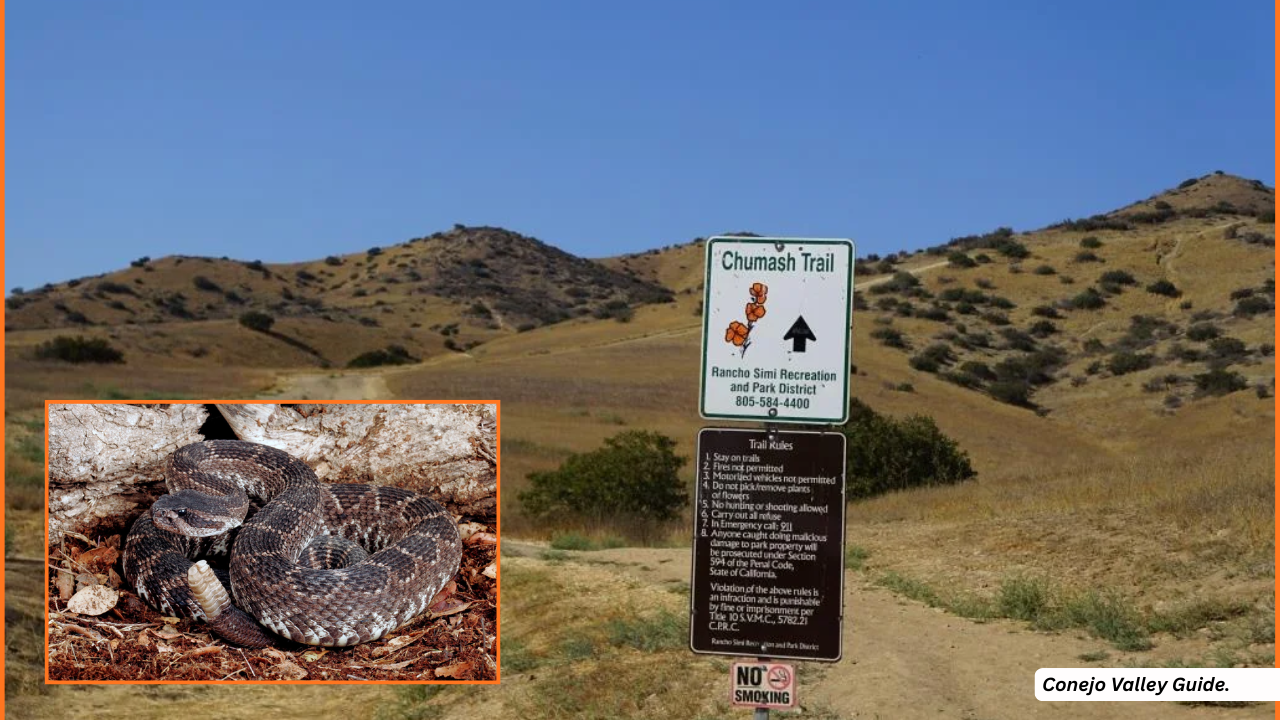
Simi Valley hikers, watch your step because rattlesnake season isn't just back—it’s officially on steroids.
Experts are sounding the alarm as bite risks skyrocket following an unseasonably warm start to 2026.
For every tiny 1.8-degree Fahrenheit (1°C) jump in temperature, your chance of getting bit climbs by 6%, according to recent studies.
We’re dealing with the Southern Pacific Rattlesnake out here, and these guys are no joke.
They are consistently ranked as some of the most toxic snakes in the state, and unlike other species, their venom actually evolves and gets deadlier as they get older to handle larger prey.
Forget the old myths you heard on the playground: no, baby snakes are not more dangerous than adults.
An adult can hit you with up to 50 times more venom than a juvenile, and they have total control over their supply, often delivering "metered" doses.
Also, don't bother counting the rattles to guess their age—snakes grow a new button every time they shed, which can happen multiple times a year in Southern California's climate.
If you get hit, do not play hero: don't suck the venom out, don't use a tourniquet, and don't use ice.
Just stay calm, get your jewelry off before you swell up like a balloon, and get to a hospital within the critical four-hour window.
Even if you survive, nearly 40% of victims deal with long-term complications like chronic pain and numbness for years after the incident.
With Southern California already recording nearly 80 bite calls in the first three months of this year, is a hike on the Chumash trail worth a potential 12-year limp?